
Why True Art Restoration Begins in a Science Lab
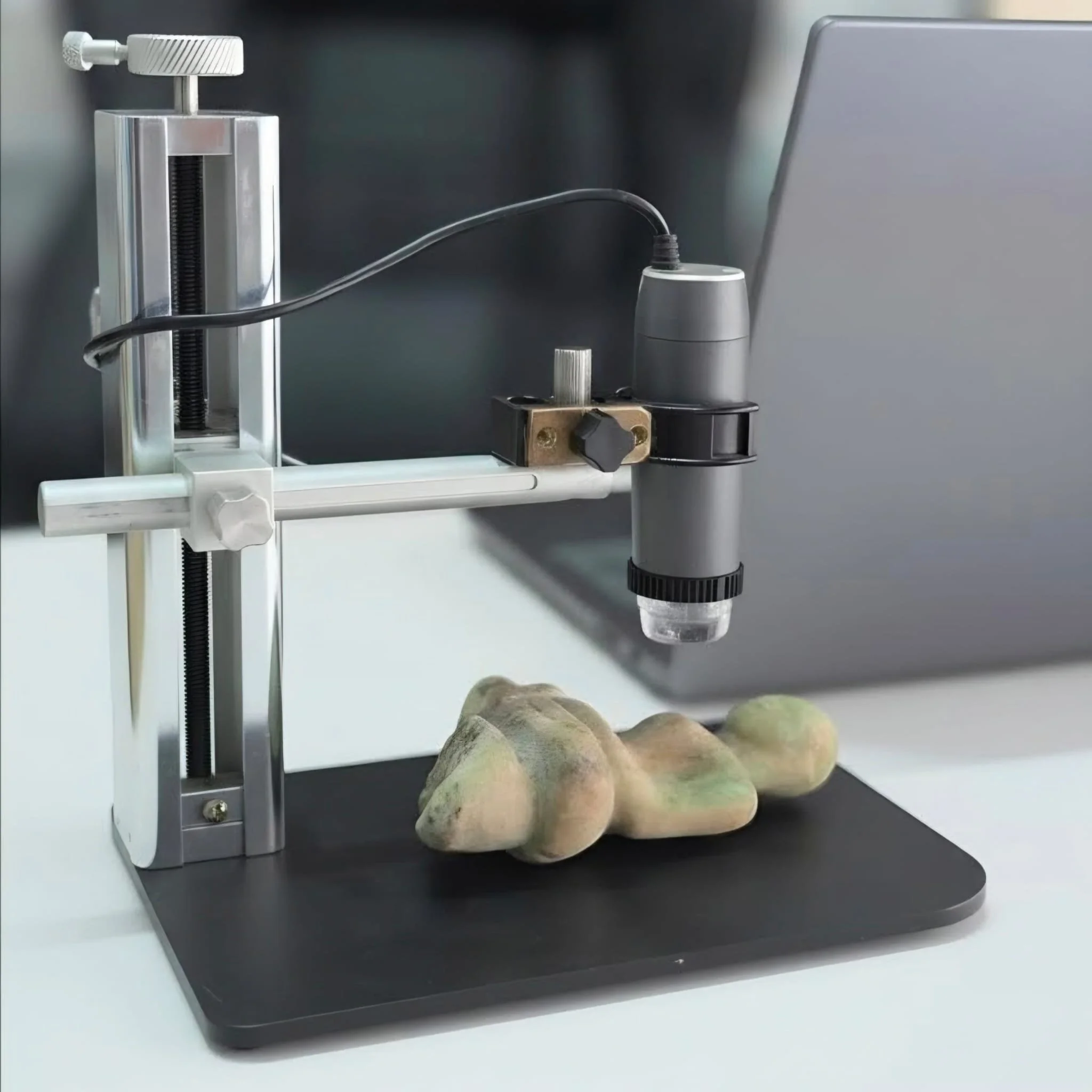
“Before a conservator touches a canvas, a scientist has to read its DNA.”
Would you trust a surgeon to perform a complex procedure without an X-ray, an MRI, or a blood test? Of course not. You expect a precise medical diagnosis before a single instrument touches the patient.
Yet, for decades, precious artworks, worth millions in both financial and sentimental value, have been subjected to "blind" restorations. Historically, workshops relied solely on a conservator’s visual intuition. While artistic skill is irreplaceable, visual assessment alone cannot see chemical decay, hidden overpainting, or unstable structural binders.
Here at the Conservation and Restoration Art Studio (RSF), located in the historic Jim Thompson building in Bangkok, we are changing the paradigm. We are building a world-class analytical laboratory designed to bring advanced conservation science directly to Southeast Asian and collectors around the world, galleries, and cultural institutions.
Because before we restore a masterpiece, we must diagnose it.
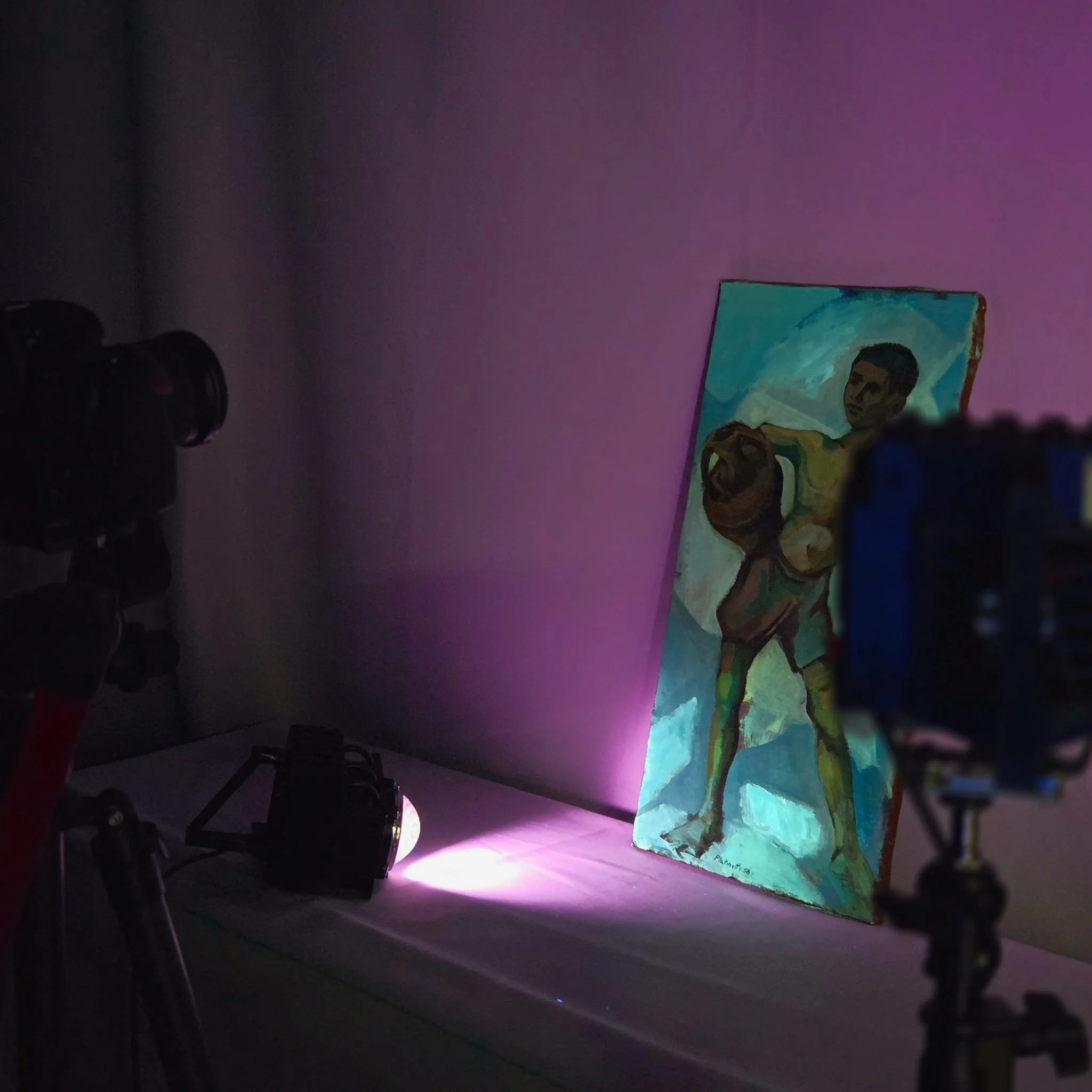
The Hidden Chemistry of Art
Art objects are complex chemical ecosystems. A single oil painting is a multi-layered structure composed of a fabric or wood support, sizing glues, ground layers, multiple pigments suspended in organic oils, and final protective varnishes. Over time, these materials interact with environmental factors like light, fluctuating humidity, and oxygen, causing them to degrade at a molecular level.
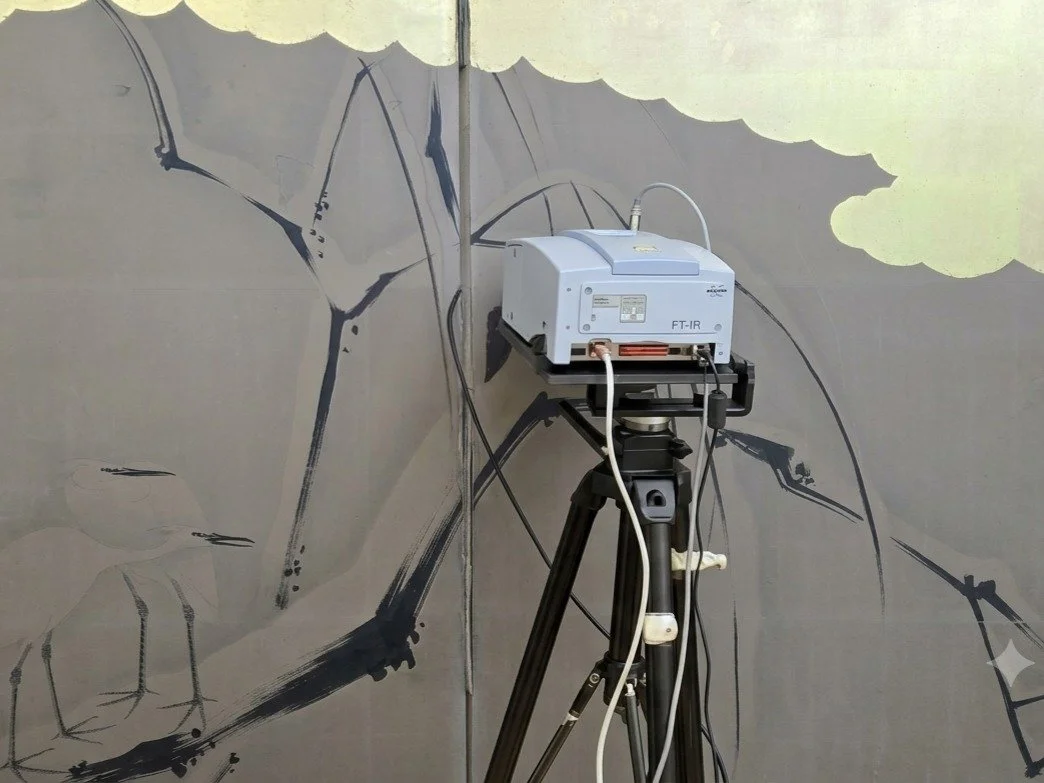
Without a scientific lab to analyze these components, restoration can be incredibly risky:
• The Solvent Danger: Using a cleaning solvent that is a fraction too strong can permanently dissolve the artist’s original glaze along with the
yellowed historic varnish.
• Material Incompatibility: Patching a paint loss with a modern synthetic binder that shrinks differently than the surrounding 19th -century linseed oil can cause the original paint to flake and lift over time.
